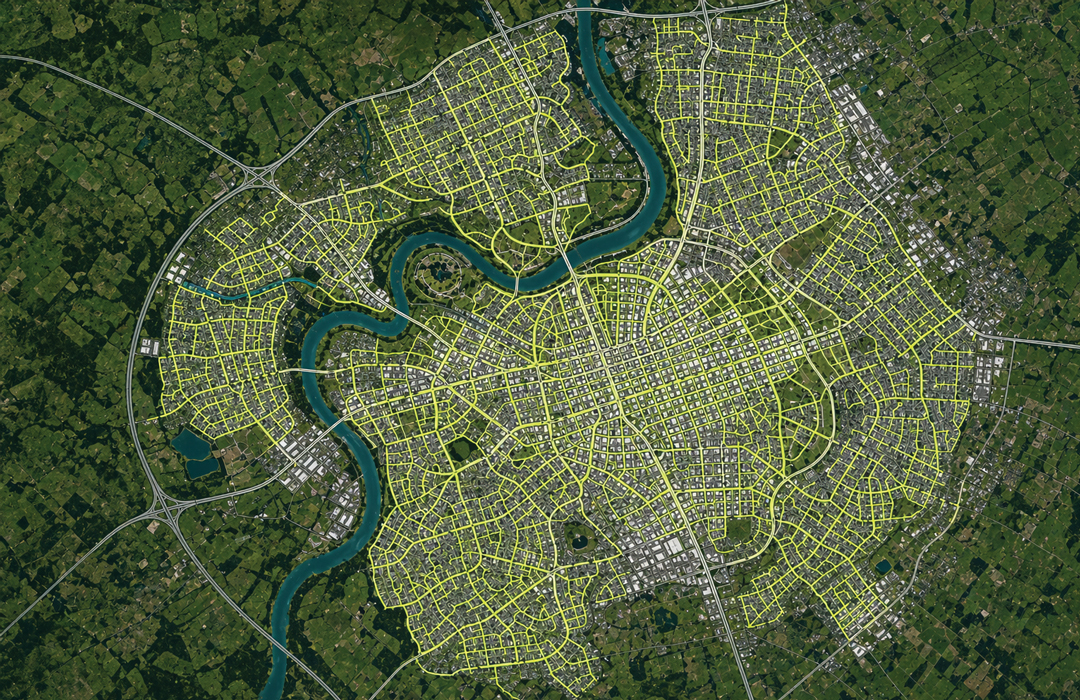
As our cities continue to intensify, the conversation is no longer about how many homes we can build – it’s about how we create high-density neighbourhoods without losing the natural systems that make them healthier, cooler and more resilient.
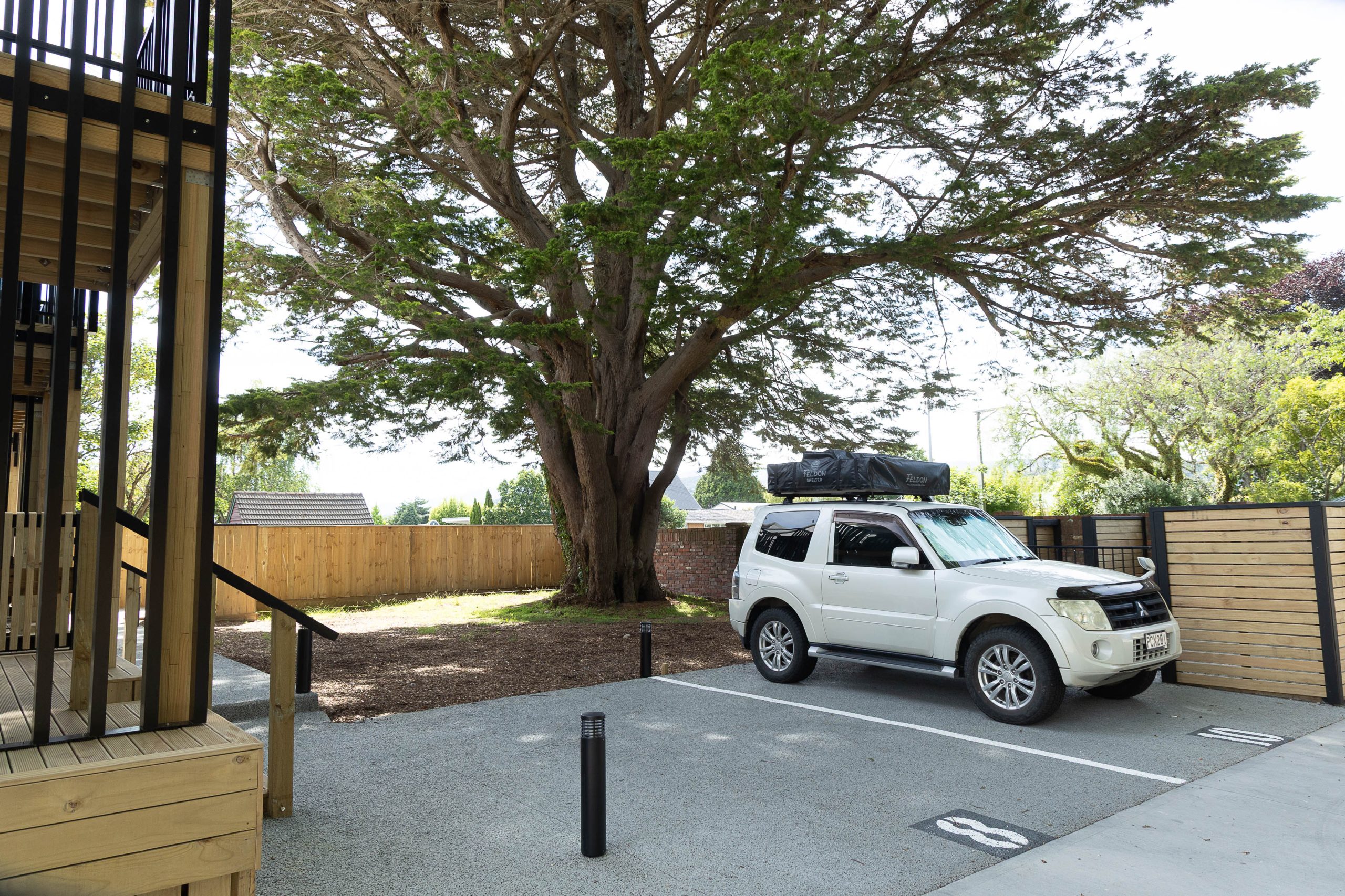
New research from the University of Canterbury suggests incentives for developers could help retain established trees during planning and development of new builds. Mature trees do far more than improve the appearance of a street – they cool urban environments, manage stormwater, support biodiversity and contribute to community wellbeing.
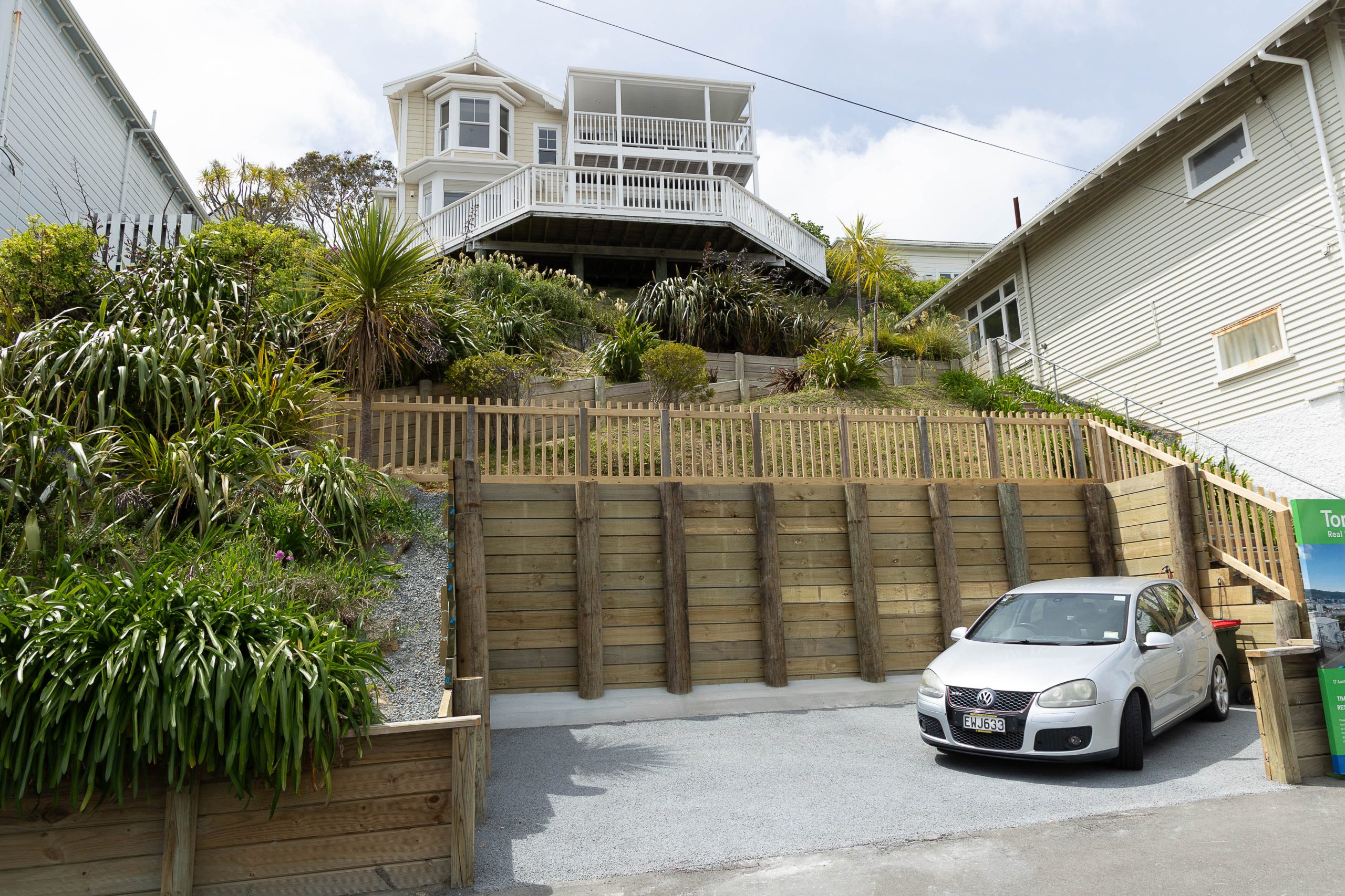
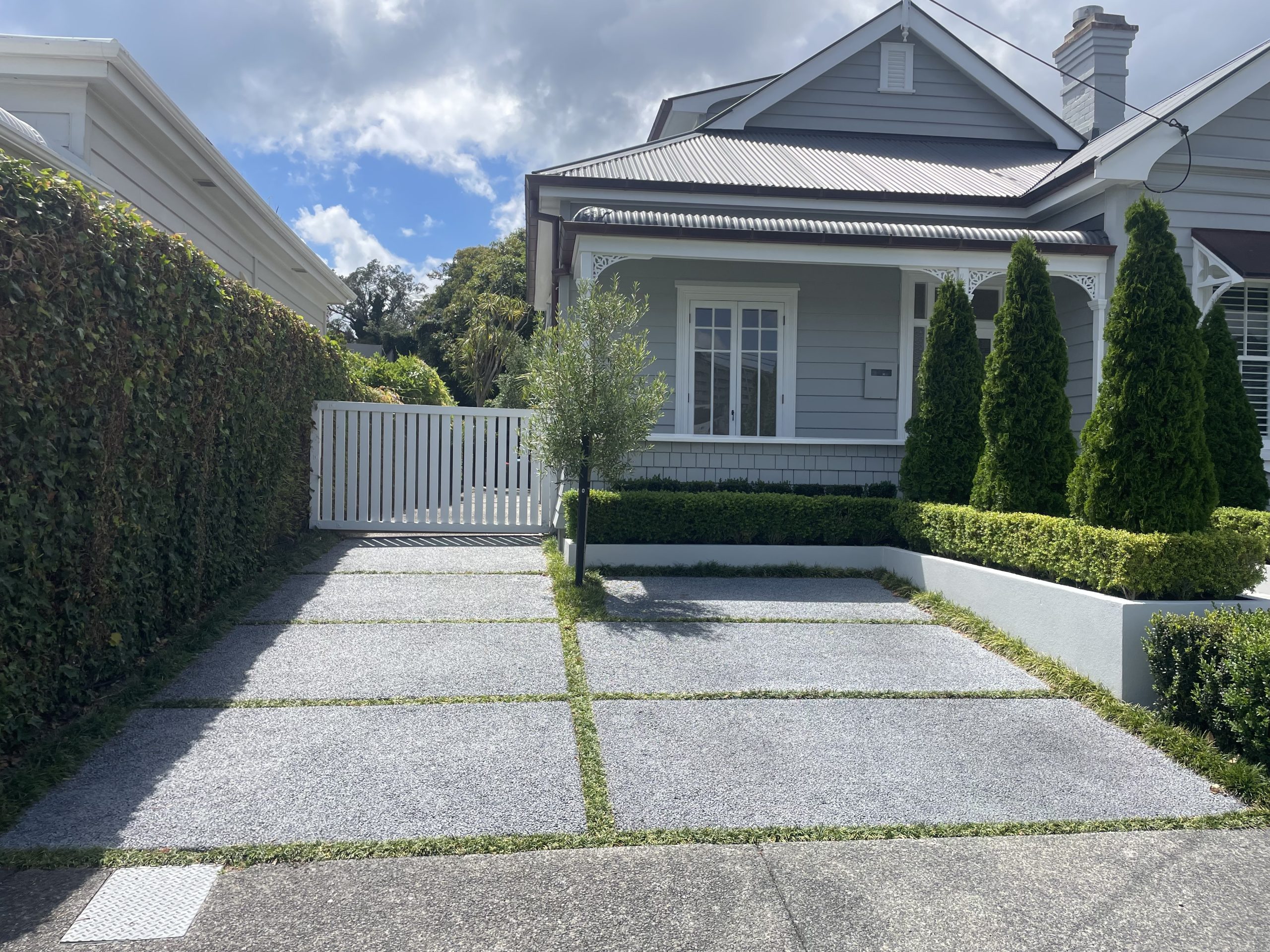
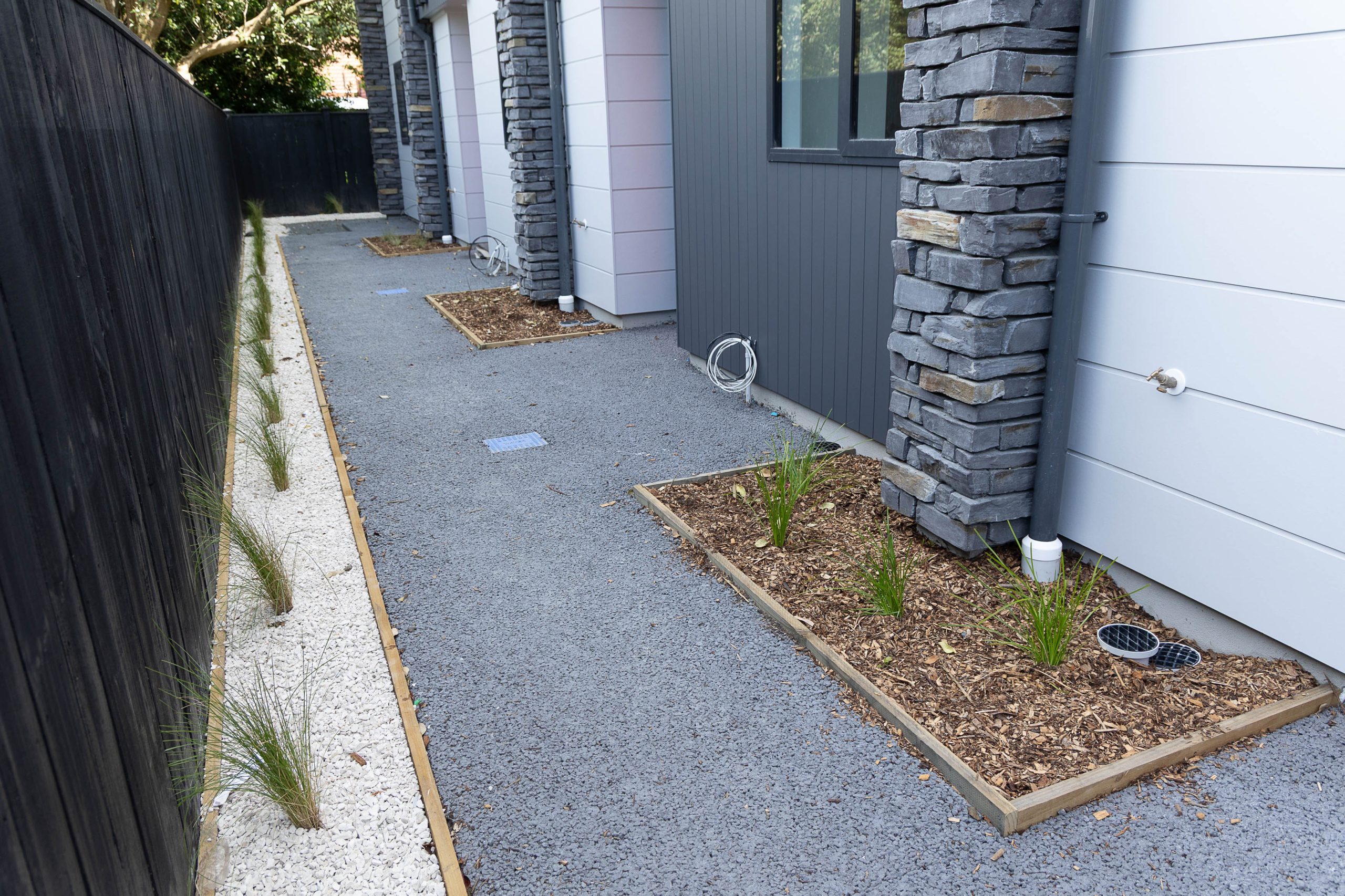
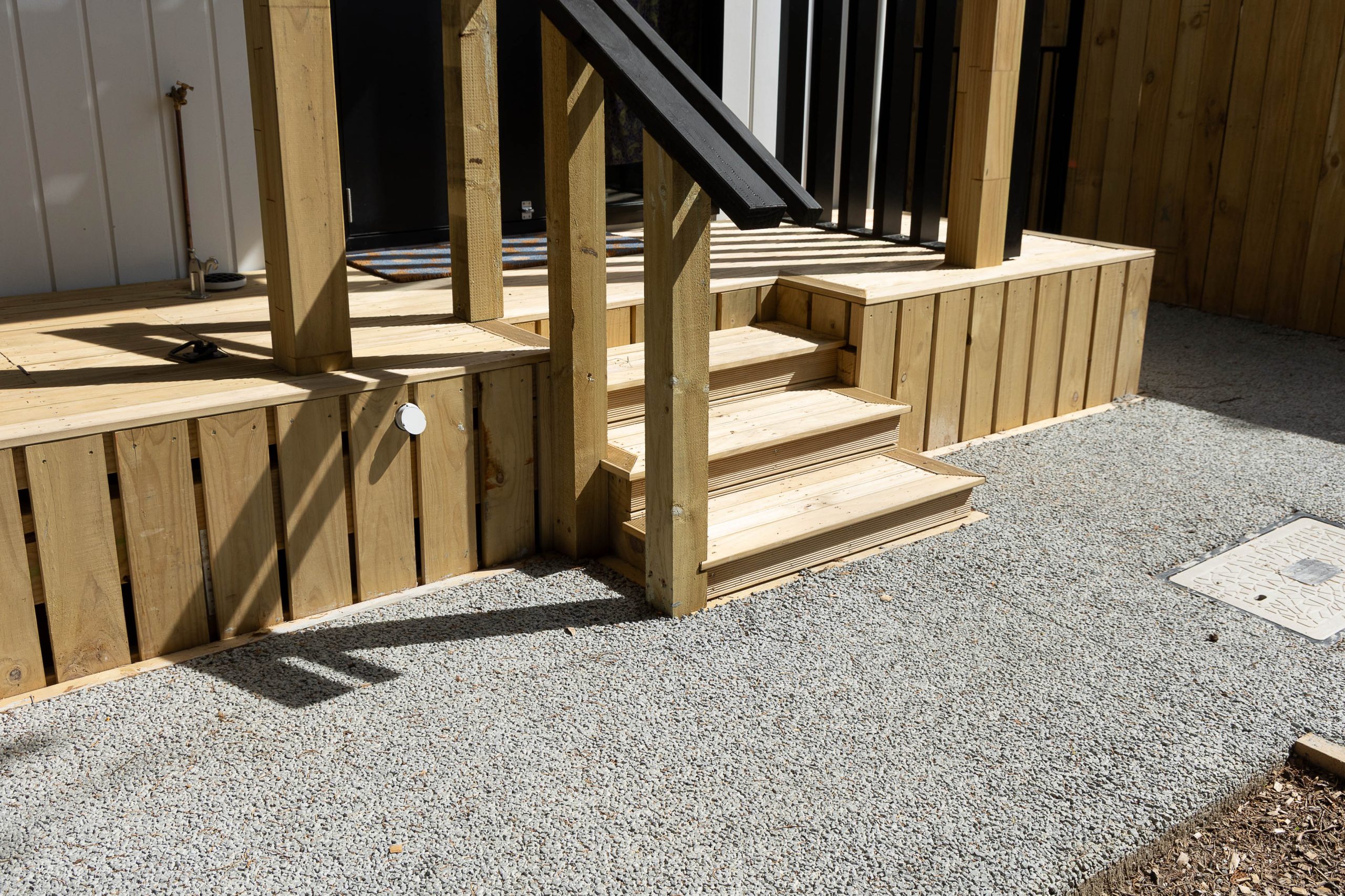
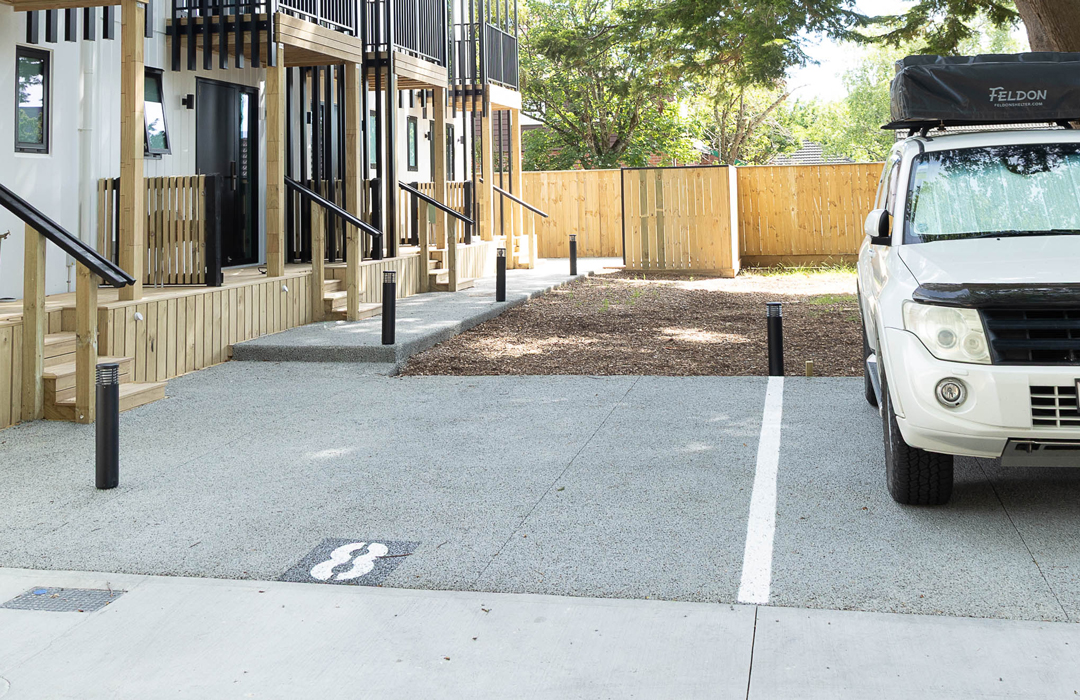
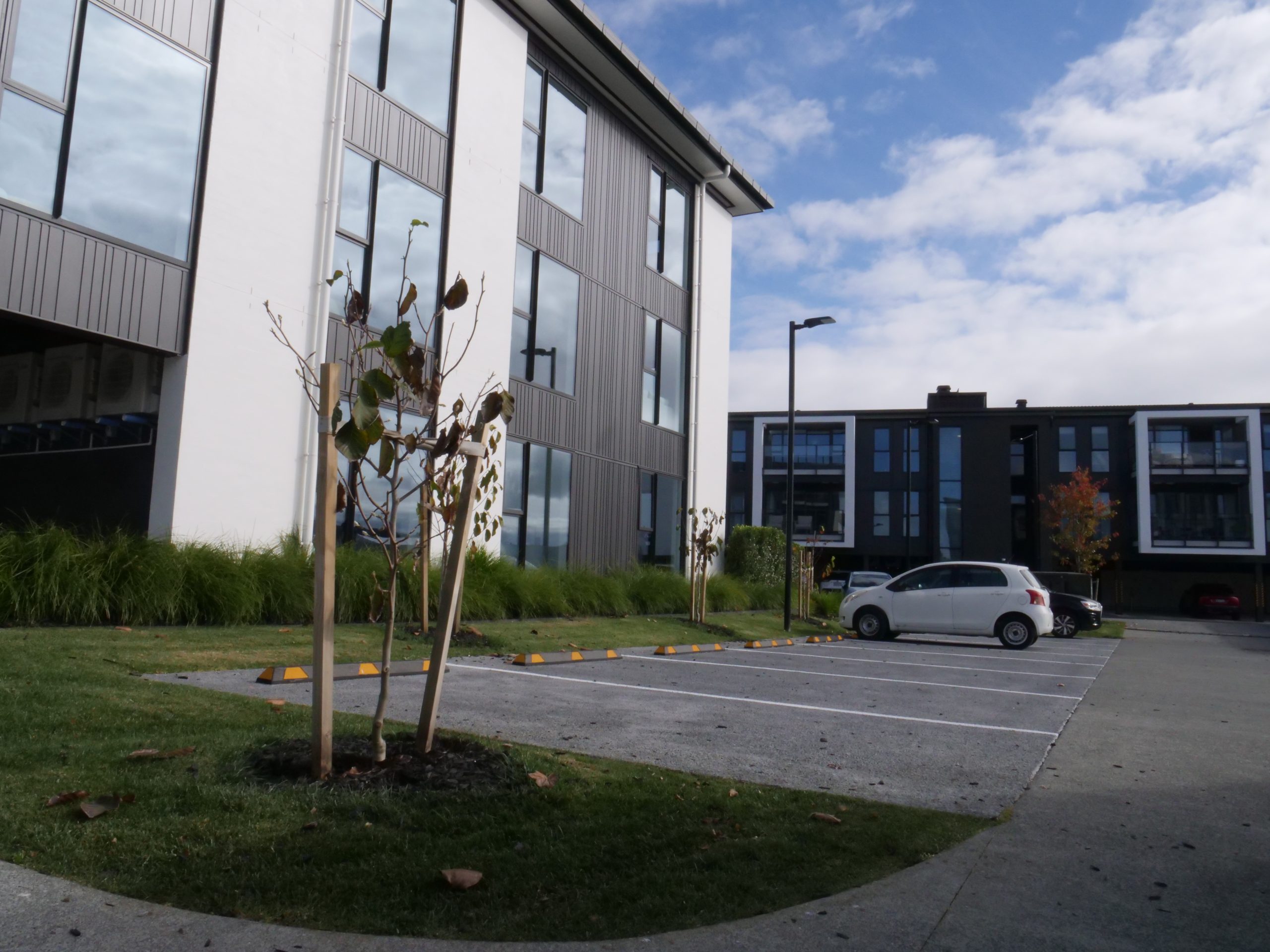
But protecting trees isn’t simply about leaving them standing. It also means considering what happens around them. Every new development brings footpaths, shared paths, driveways, plazas and public spaces. Traditionally, these have been constructed using impermeable materials that prevent air and water from reaching the soil beneath, while increasing stormwater runoff and pressure on drainage networks. There is another way.
Working with nature
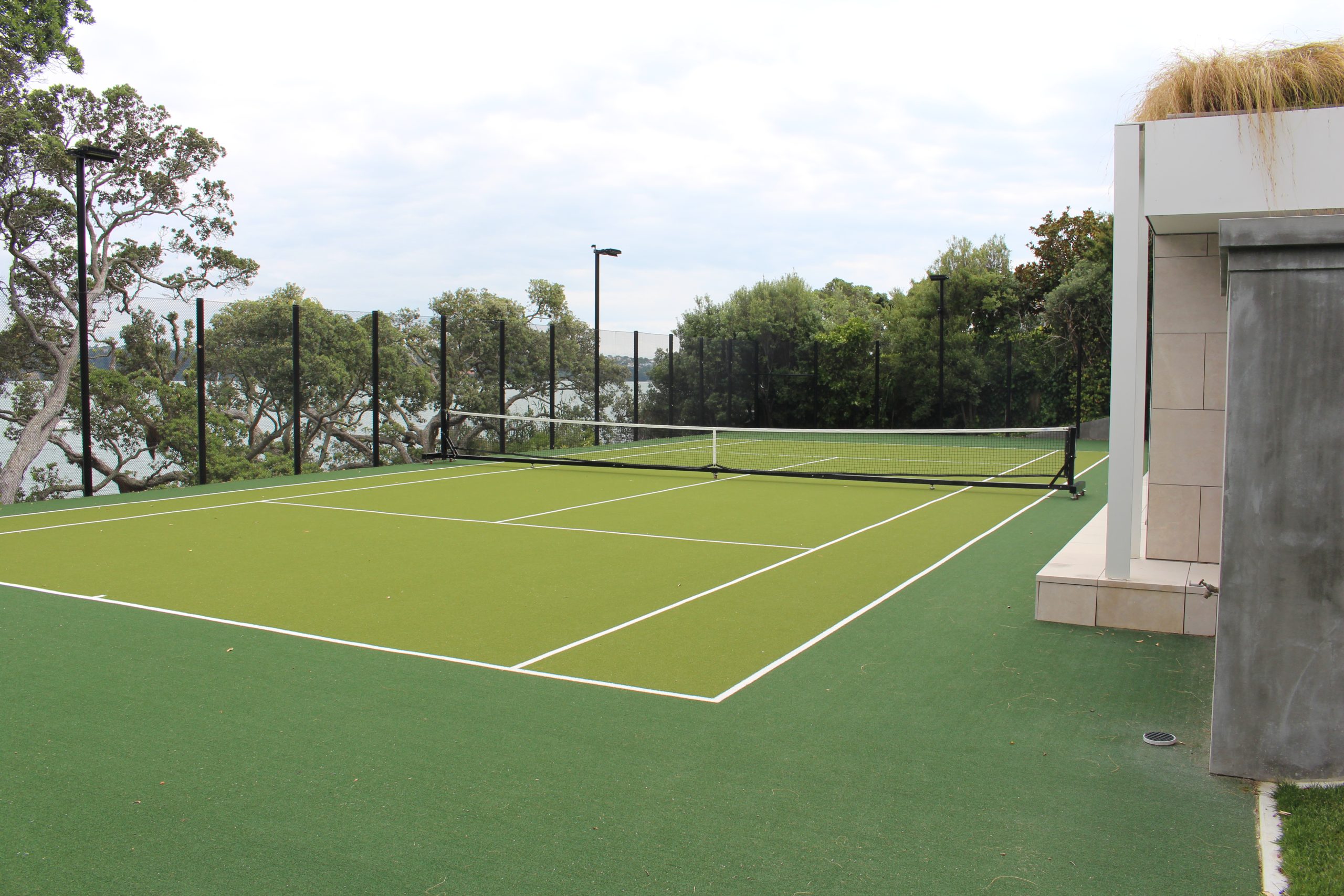
Permcon permeable concrete is designed to work with natural systems rather than against them. By allowing water to pass through the pavement into the ground below, it helps maintain the movement of water, oxygen and nutrients through the soil. This makes it well suited to applications such as tree protection zones, footpaths and shared public spaces, where balancing access with healthy landscapes is increasingly important.
International research has shown permeable pavements can remove more than 80% of total suspended solids from rainwater, while helping prevent hydrocarbons and other contaminants from reaching waterways. Rather than treating stormwater as something to move elsewhere, permeable pavements become part of a site’s water management system.
As councils look to create greener, more climate-resilient neighbourhoods, this approach aligns with the principles of Nature-Based Solutions – using engineered infrastructure that works alongside natural processes to deliver multiple environmental benefits. It also presents an opportunity to rethink one of the most common pieces of infrastructure in every community.
A new stormwater network
Housing intensification doesn’t just create more homes. It creates thousands of square metres of hard surfaces. Imagine if every one of those surfaces contributed to managing stormwater rather than simply shedding it. Individually, these may seem like small decisions. Repeated across an entire suburb or city, they become a distributed network helping manage water where it falls to support healthier urban landscapes.
For councils and developers looking to reduce embodied carbon, Permcon CarbonLow delivers up to 62% less embodied carbon than standard permeable concrete, while maintaining the same structural and hydraulic performance. It is independently assessed by Toitū Envirocare and verified to ISO 14067:2018.
The next generation of neighbourhoods won’t be judged solely by how many homes they contain. They’ll also be judged by how well they protect the natural systems that make cities more liveable. Every footpath, driveway and tree protection zone is an opportunity to build that future
This article first appeared in NZ Landscaper magazine and is republished with permission.