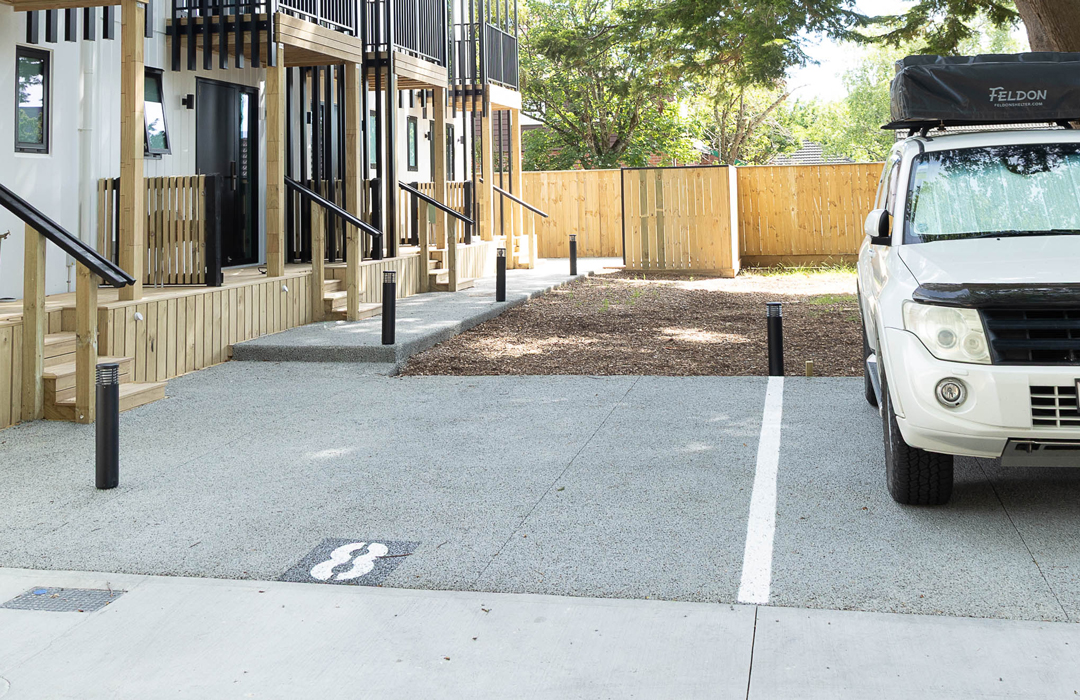
Sustainability in landscaping is evolving to ensure outdoor spaces can better withstand environmental pressures – and permeable concrete provides a key solution.
Recent flooding events across New Zealand have highlighted the growing strain on stormwater systems and the impact of impermeable urban environments. As rainfall events become more intense and less predictable, landscapers, designers and councils are being forced to rethink the surfaces being specified in outdoor spaces. For many projects, that starts with stormwater management.
Traditional concrete and asphalt surfaces direct rainfall into drainage networks, contributing to peak stormwater flow and increasing pressure on already stretched infrastructure. In heavy rain events, this can lead to ponding, flooding and runoff issues downstream.
BRANZ notes that in a natural landscape, average surface water runoff sits at around 27%.
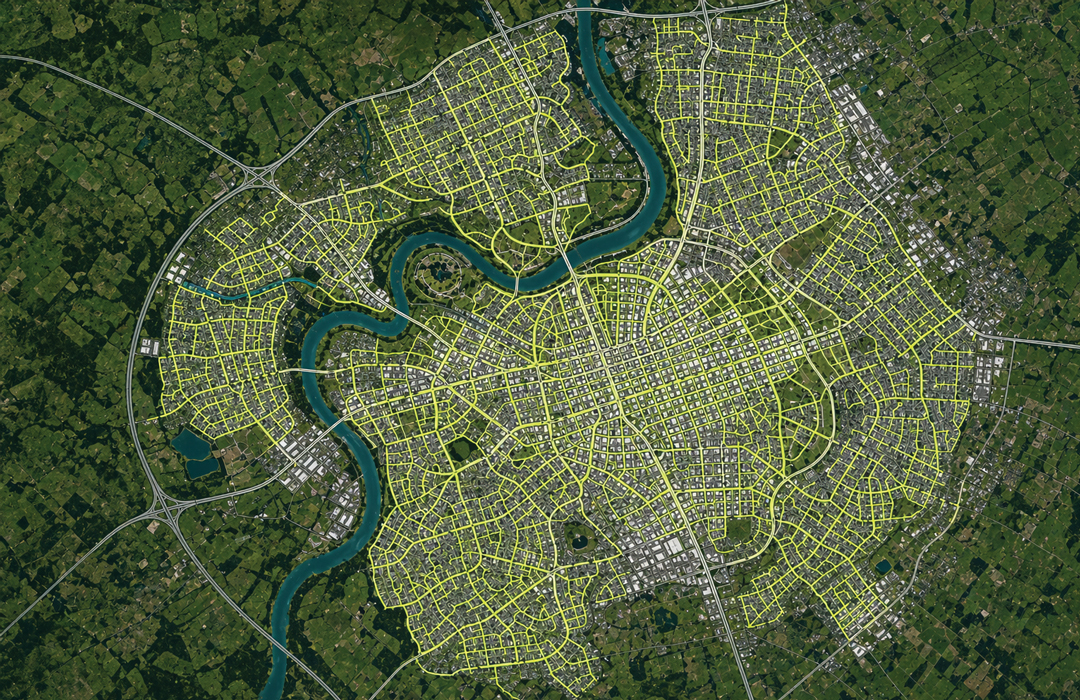
In urban areas – where hard surfaces such as roads, driveways and paving dominate – that figure increases to around 58%.
Stormwater management
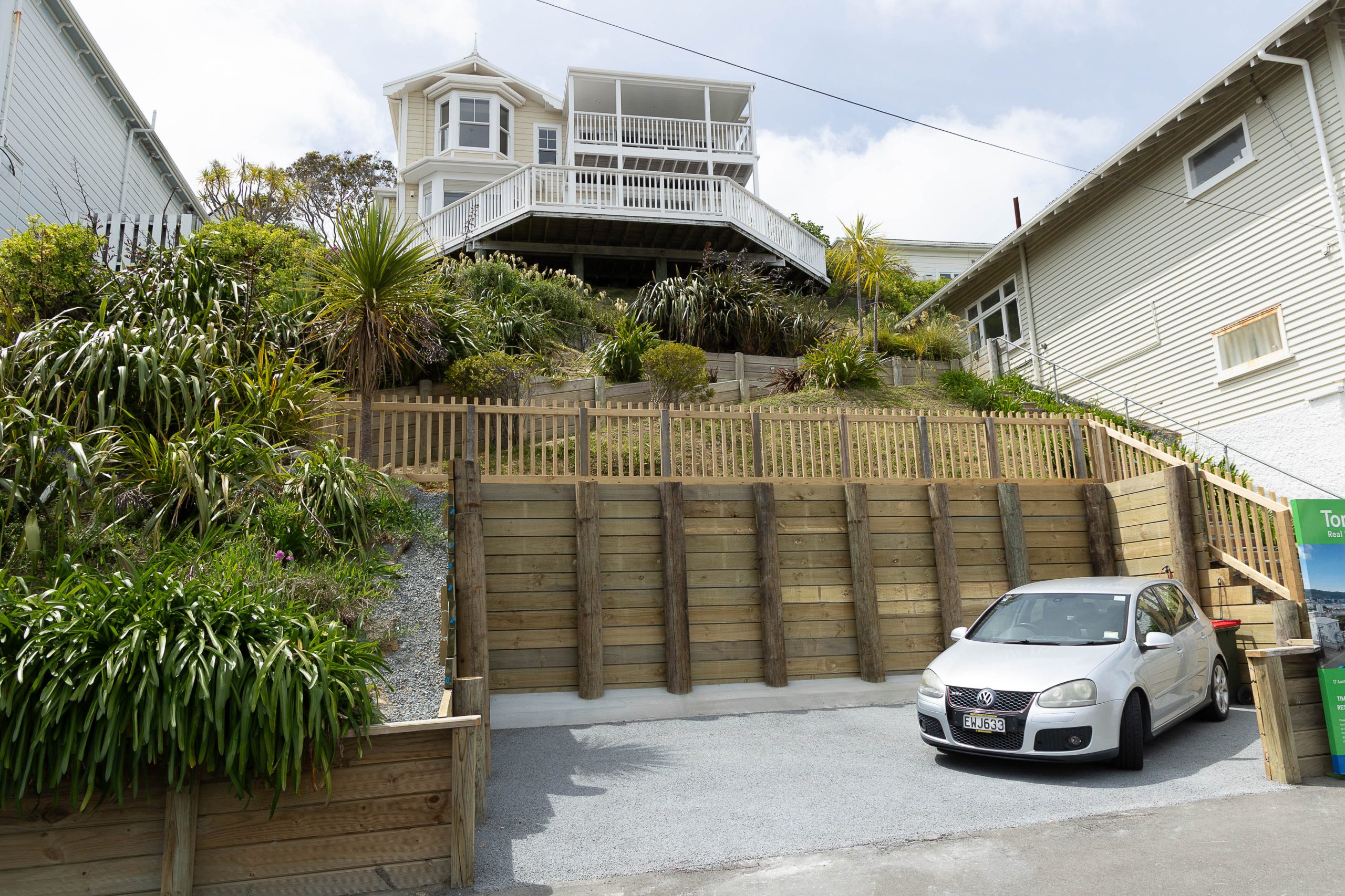
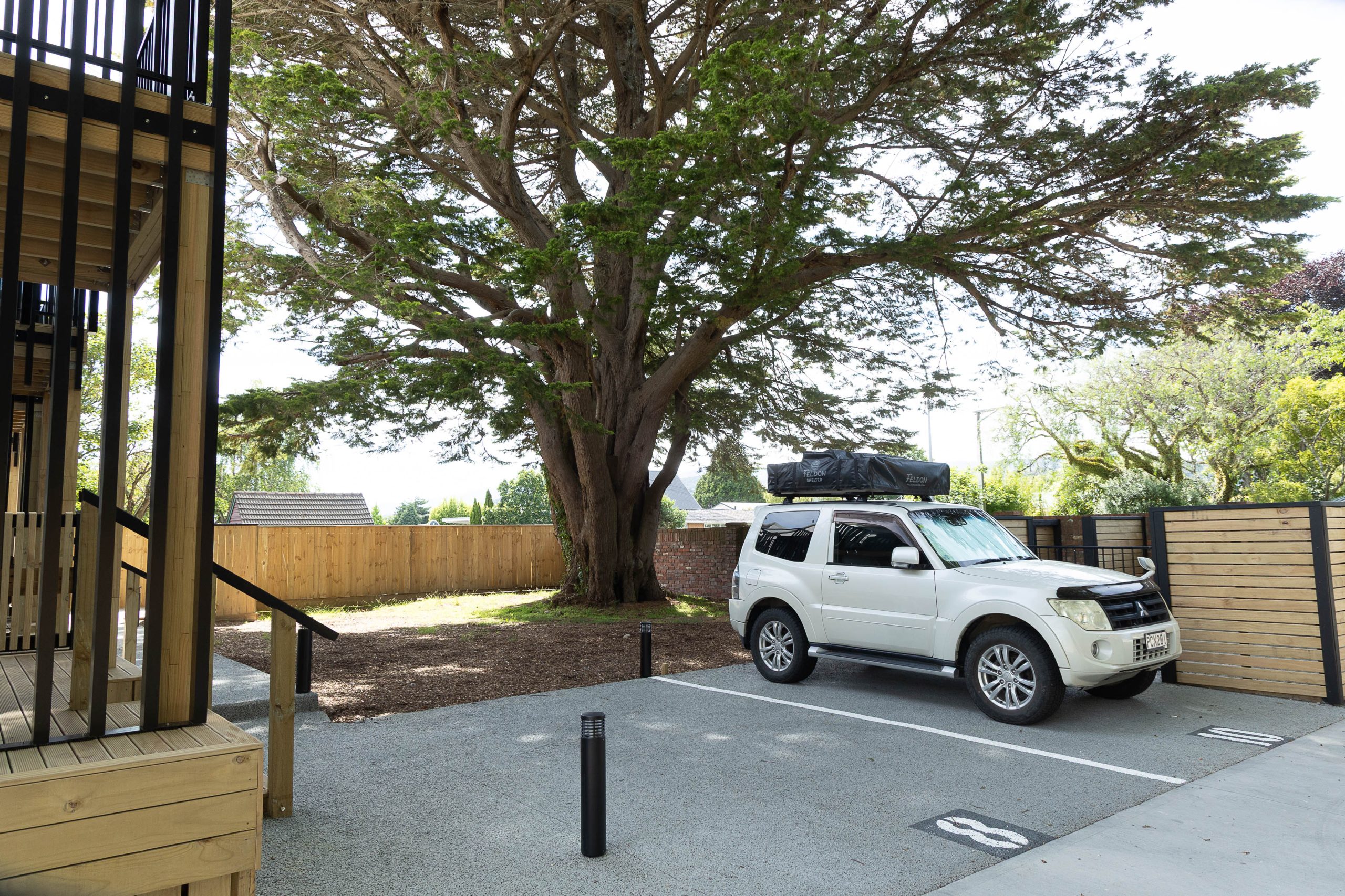
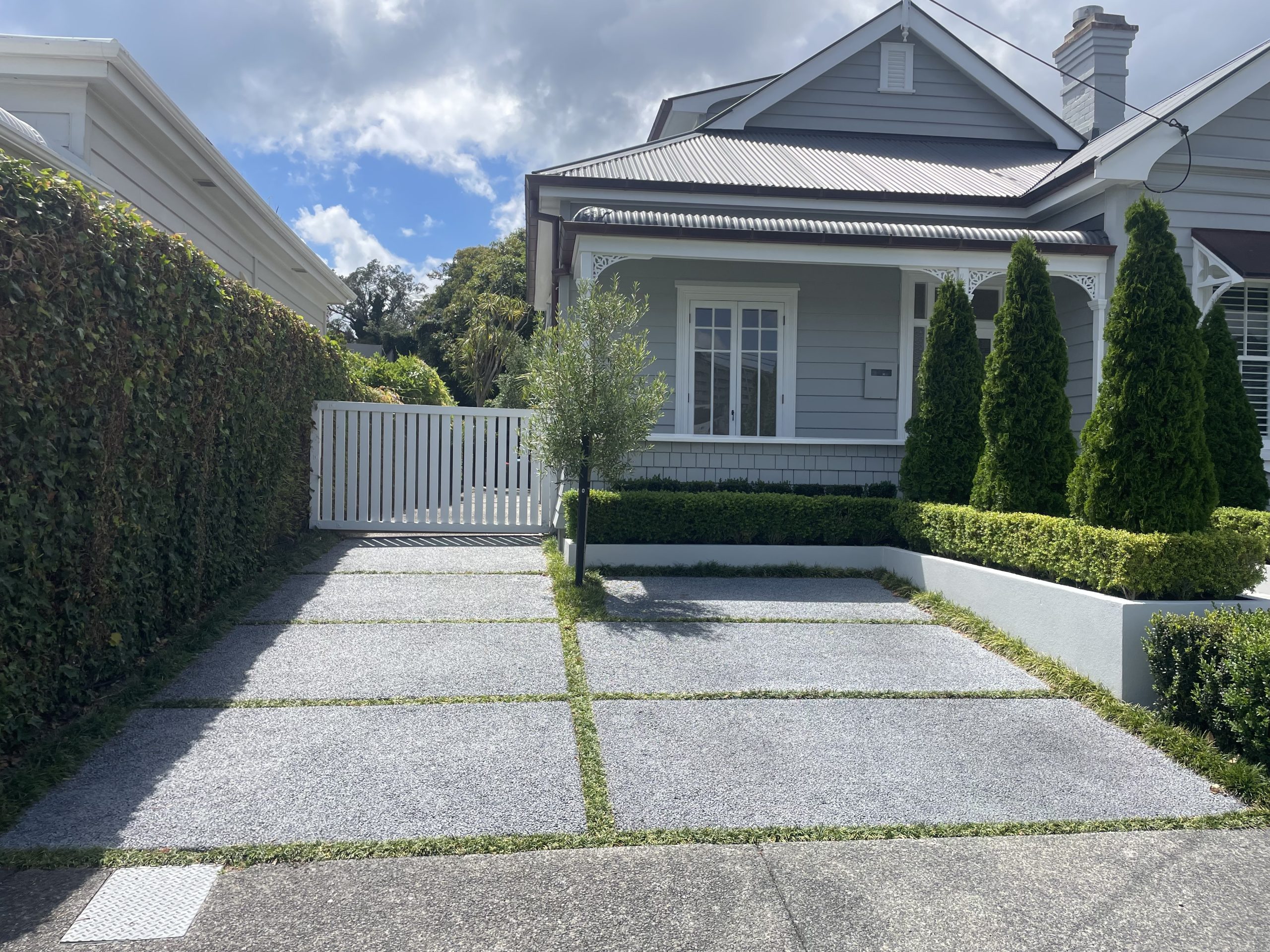
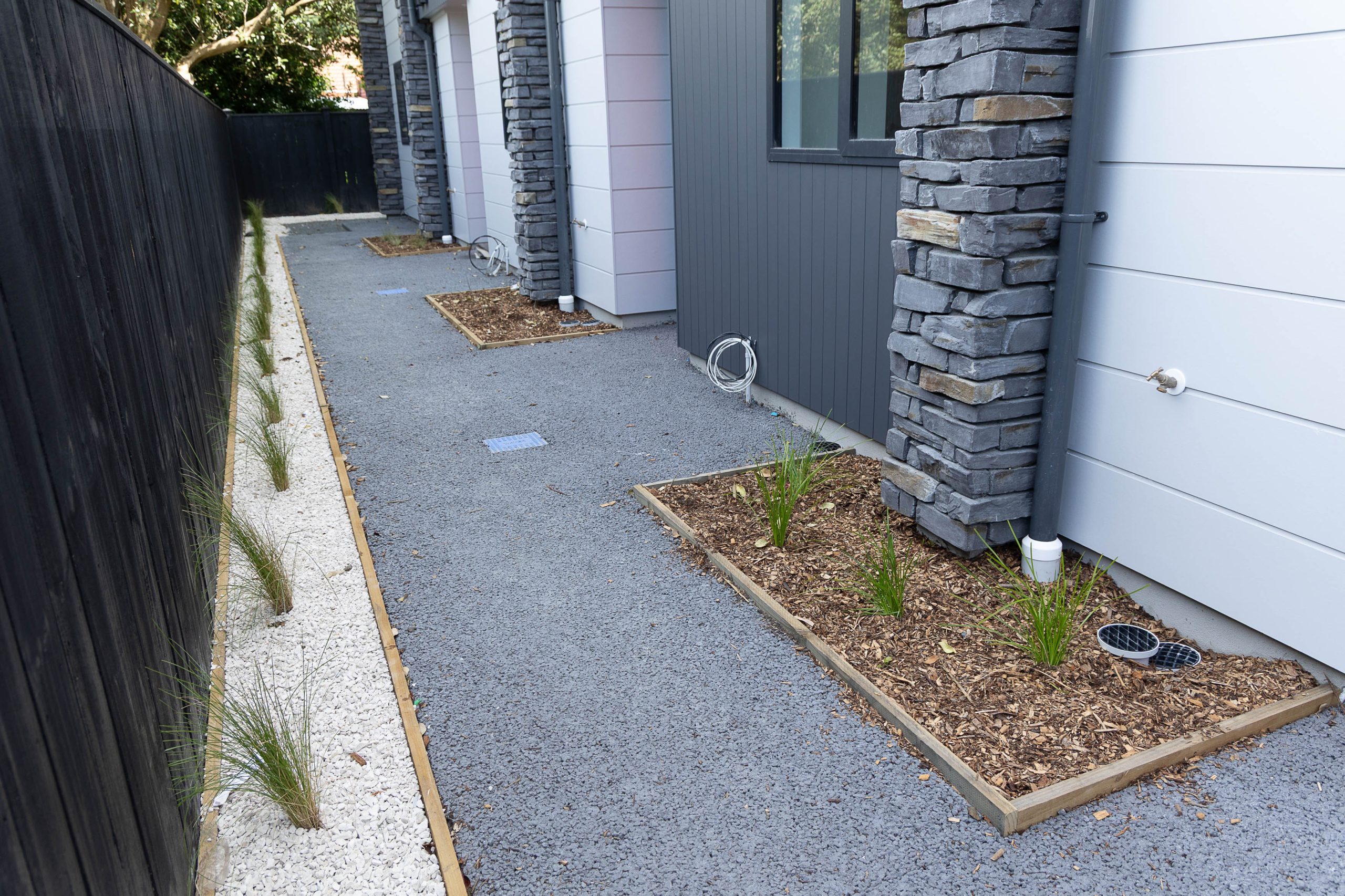
Permcon permeable concrete has been developed to help manage water where it falls. Its permeable structure allows rainfall to pass through the surface and into the open-grade basecourse beneath, where it can infiltrate naturally into the ground or discharge in a more controlled way.
This helps reduce runoff, ease pressure on stormwater systems and improve water quality by filtering pollutants before they reach streams and waterways. Permeable concrete can also help moderate temperatures in hard-surfaced urban environments by allowing moisture to evaporate naturally through its structure.
As BRANZ recently highlighted in its guidance around stormwater control and landscaping, permeable pavements are becoming an increasingly important tool in creating landscapes that work more closely with natural water cycles.
Low carbon, low impact
For projects where reducing embodied carbon is part of the brief, Permcon CarbonLow offers a lower-carbon permeable concrete option without compromising structural performance or permeability.
Designed to reduce embodied carbon by up to 62%, Permcon CarbonLow can be specified and installed in the same way as standard Permcon, making it an easy substitution for landscapers looking to lower the environmental impact of a project without changing installation methods or design outcomes.
Long-term performance
Beyond embodied carbon, durability and long-term performance are central to the sustainability conversation.
Materials that fail early, contribute to runoff issues or require frequent replacement can create additional environmental and financial costs over time. Increasingly, landscapers are looking for products that balance environmental outcomes with real-world performance.
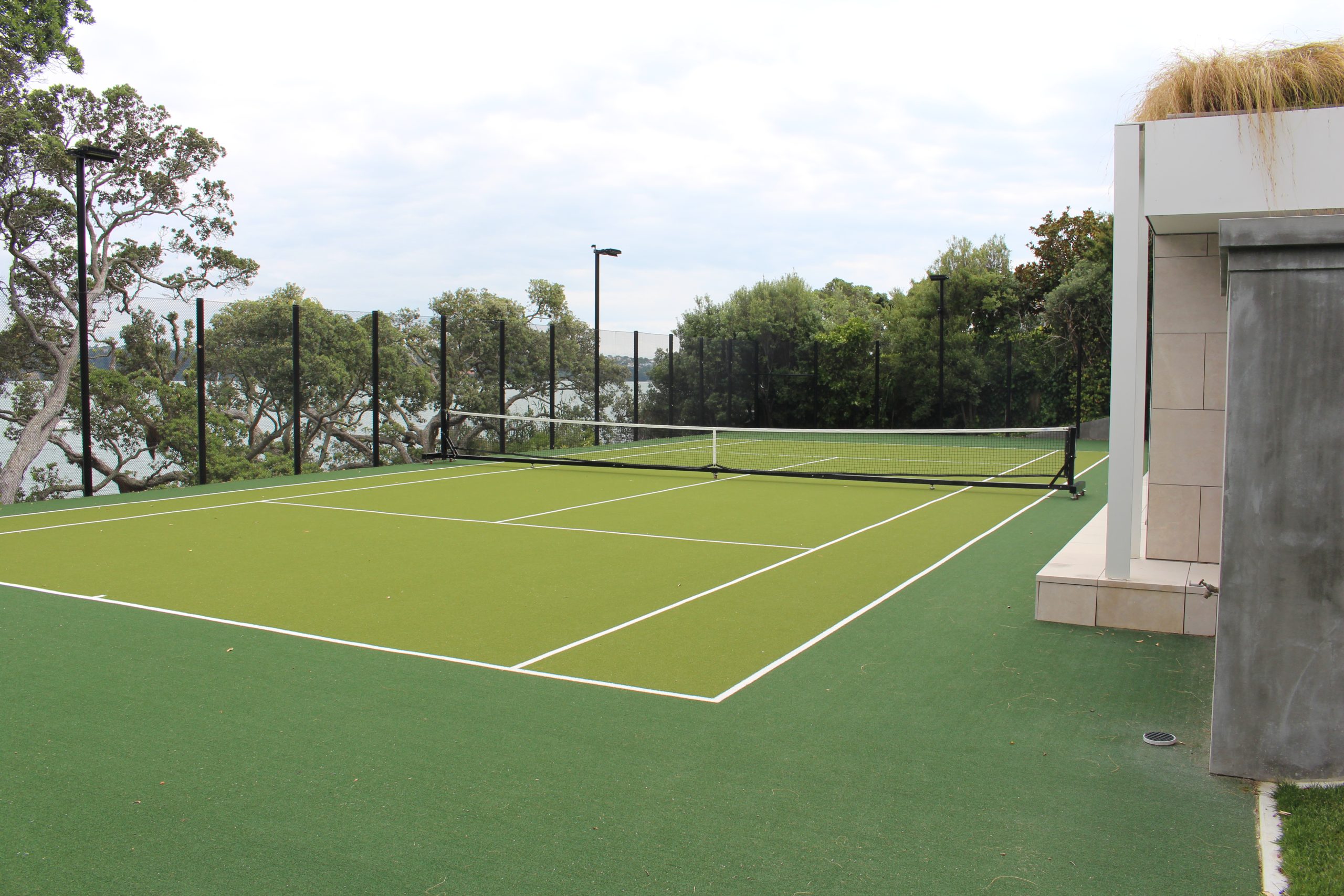
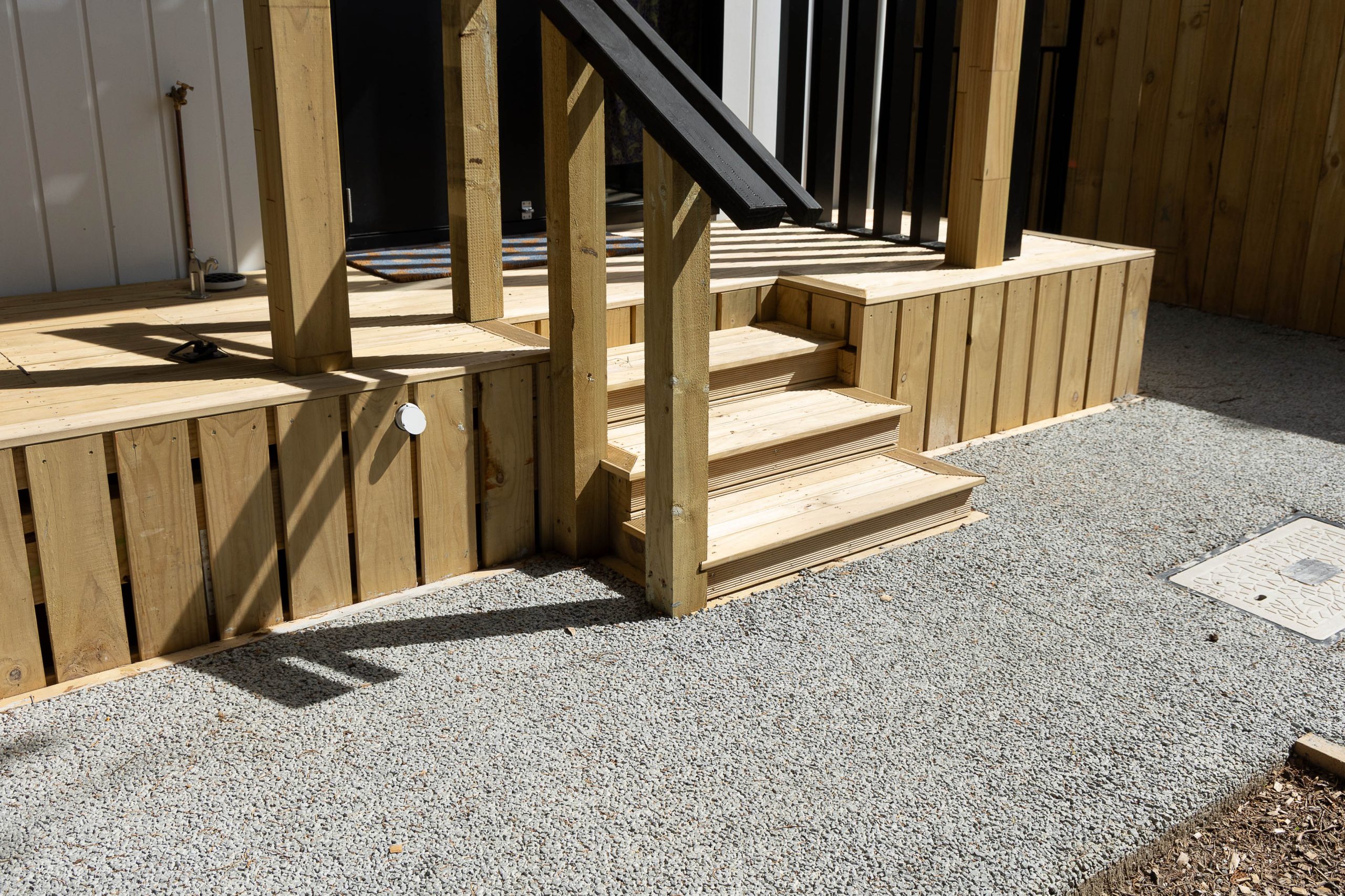
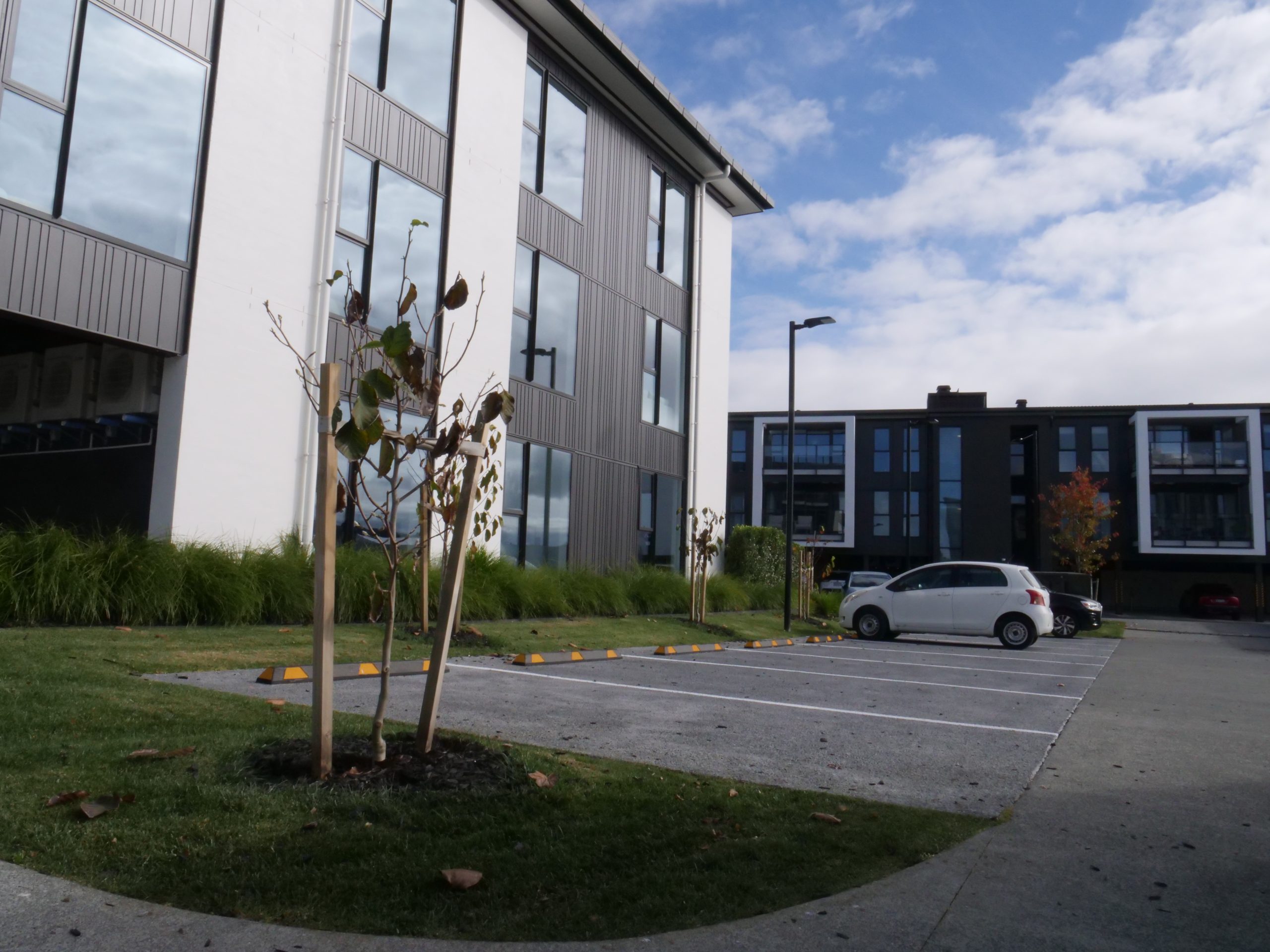
Permcon delivers the durability and strength expected of concrete, while maintaining its permeable performance, making it suitable for everything from driveways and pathways to cycleways, courtyards and public spaces.
Because it is considered a pervious surface by most councils in New Zealand, it can also help address site coverage constraints – an increasingly common issue as sites become tighter and every square metre counts.
As climate pressures, urban intensification and sustainability expectations continue to grow, permeable pavements are becoming an increasingly practical part of resilient landscape design.